Beyond Sympathy: Building Systems That Empower Children
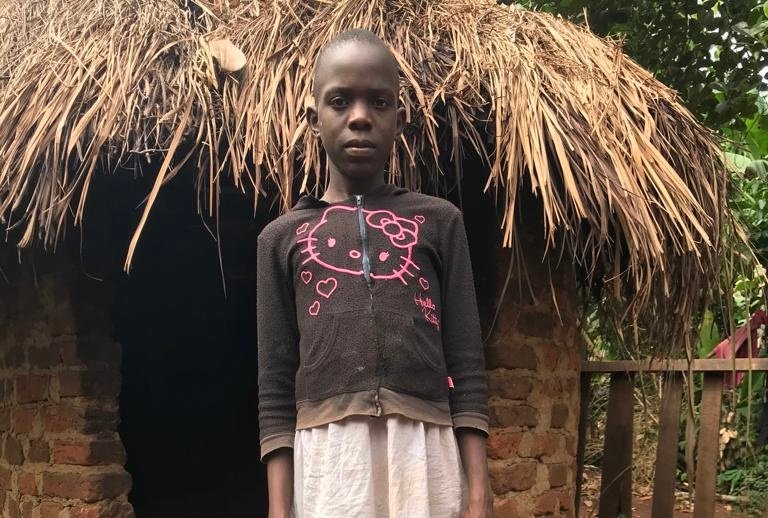
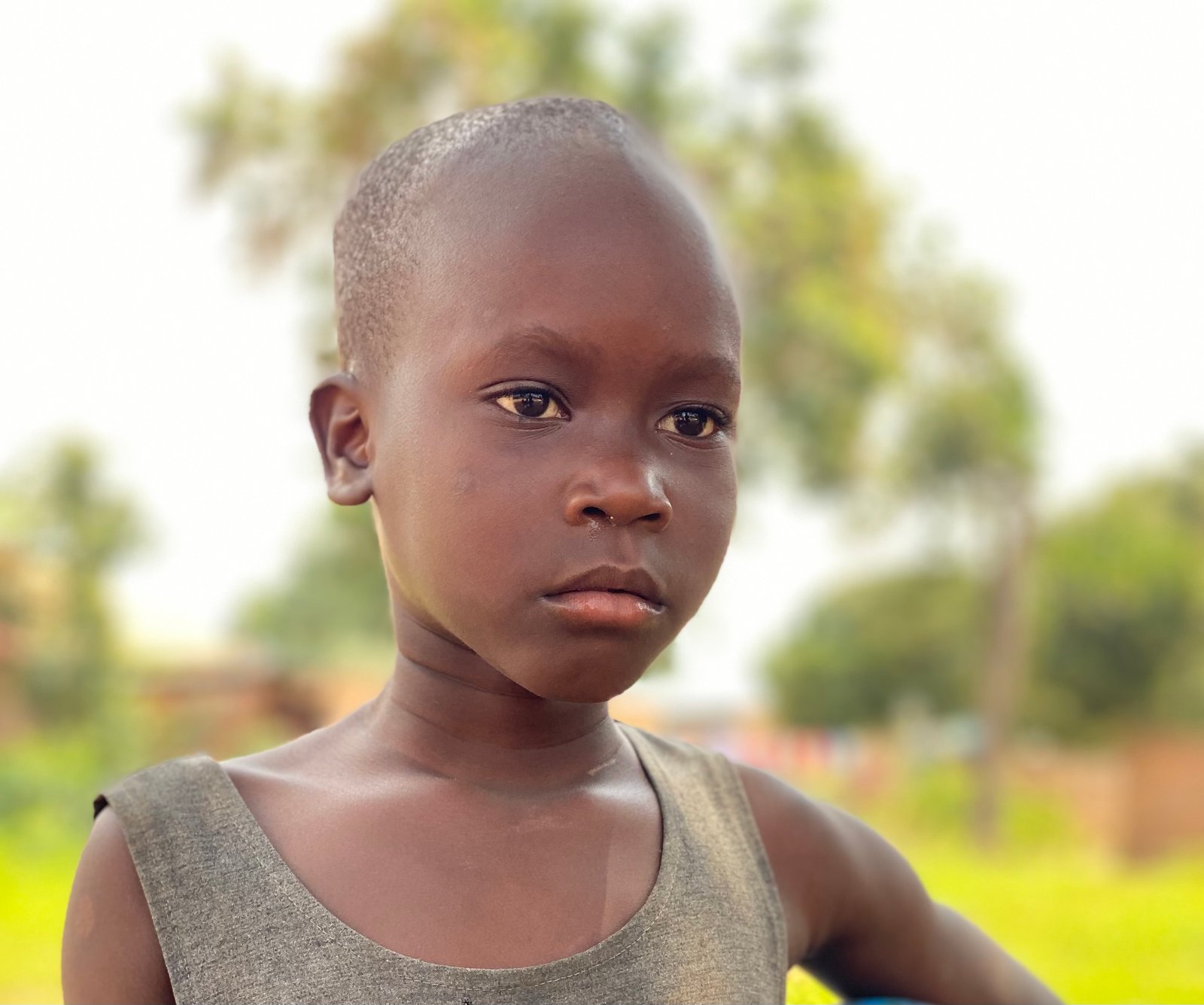
She walks three miles before sunrise. Not for water, though she will do that later, but because today a uniform is waiting for her at school. For the first time in months, she can go. For the first time in months, she belongs.
"Do your little bit of good where you are; it's those little bits of good put together that overwhelm the world." — Desmond Tutu
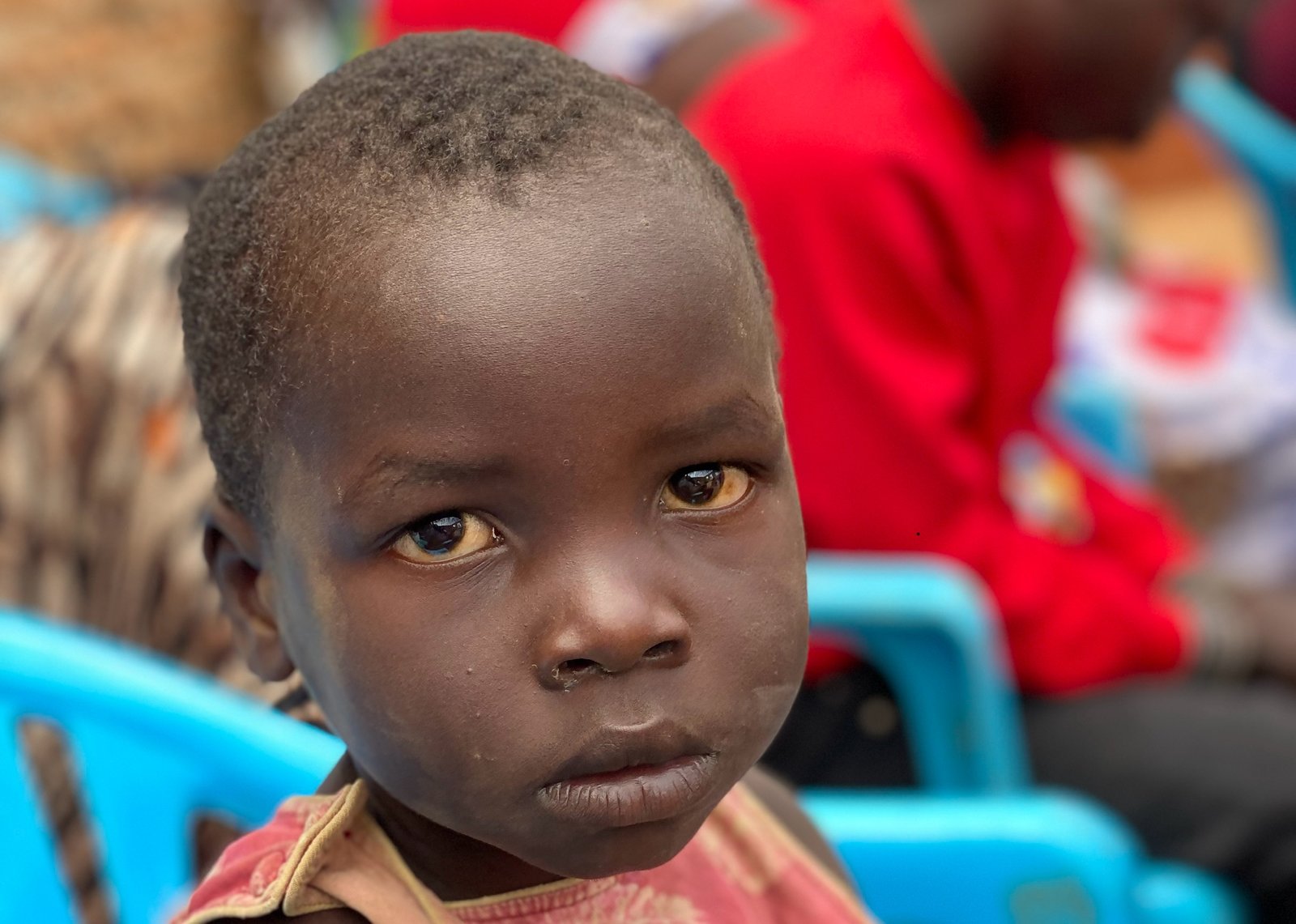
We've all read the articles. We have seen the appeals. Helping children. Donating. Charity. The words start to blur together, don't they? And yet, despite decades of good intentions and genuine giving, children are still fighting for the bare minimum.
Not for luxuries. For survival.
It Starts with the Basics
Before we can even speak of education, we must address what comes before it: clean safe water to drink; nutritious food to fuel growing bodies and minds; decent clothing that offers warmth and dignity. These are not extras or add-ons. These are the foundation without which nothing else can be built.
A child who is thirsty cannot concentrate. A child who is hungry cannot learn. A child who is cold or ashamed of their clothing will not raise their hand in class.
But even when these basic needs are met, another barrier stands in the way.
The Uniform: A Bridge or a Barrier?
In many parts of Africa and the global South, a child cannot attend school without a uniform. It's not a preference or a tradition; it is a requirement. And here is the cruel irony: children outgrow uniforms quickly. What should be a stepping stone to opportunity becomes a locked gate. A "decent uniform" has become a luxury when, in truth, it is a right, a threshold to education, to community, to hope.
Think about it: a family struggles to secure food and water. They manage. They sacrifice. They send their child to school. And then the uniform no longer fits. The child stays home. Weeks turn into months. The gap widens. The dream fades.
This is where systems fail children, not in grand, obvious ways, but in small, preventable ones.
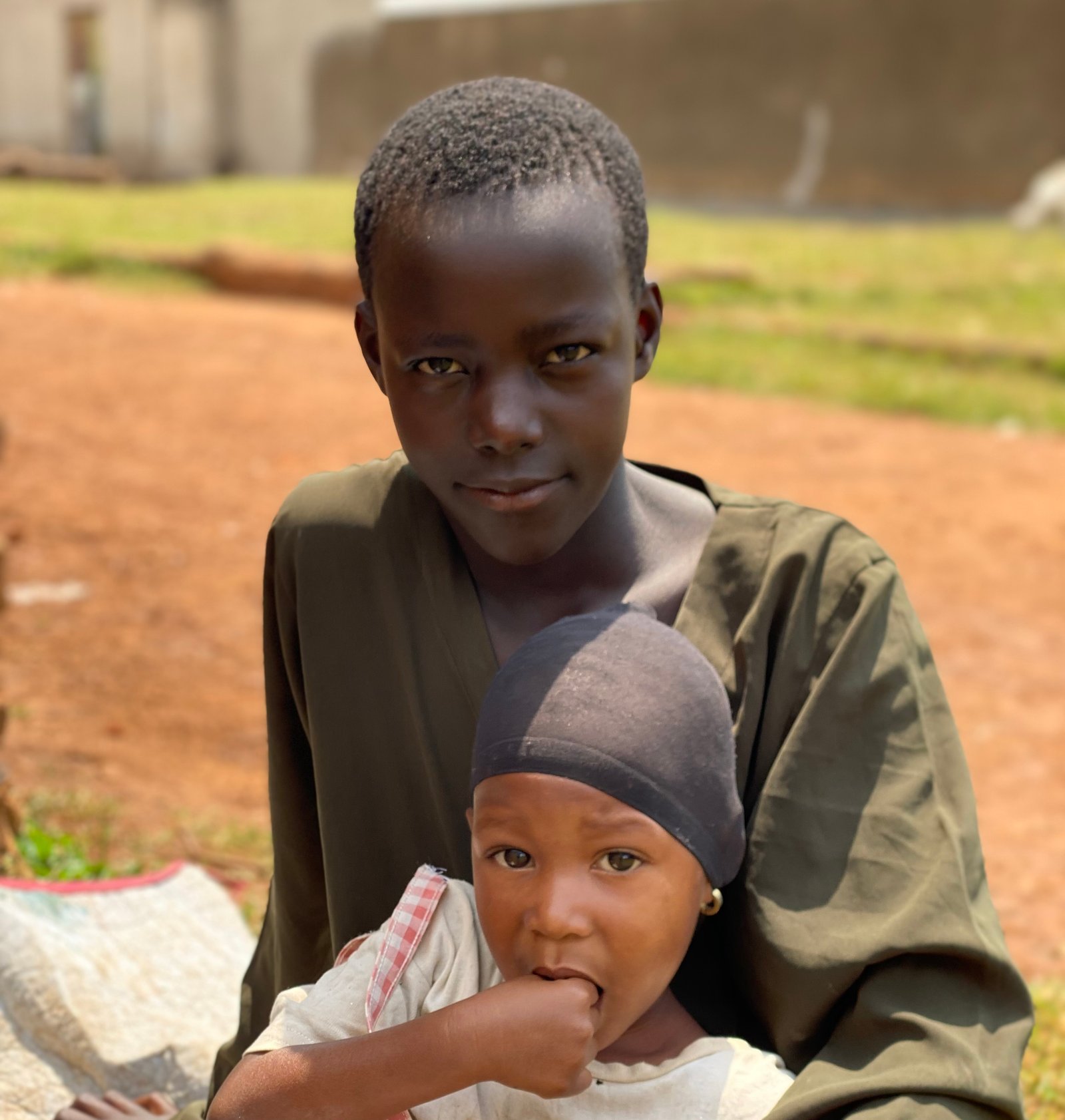
When the Child Is a Girl
And when that child is a girl, the world asks even more of us.
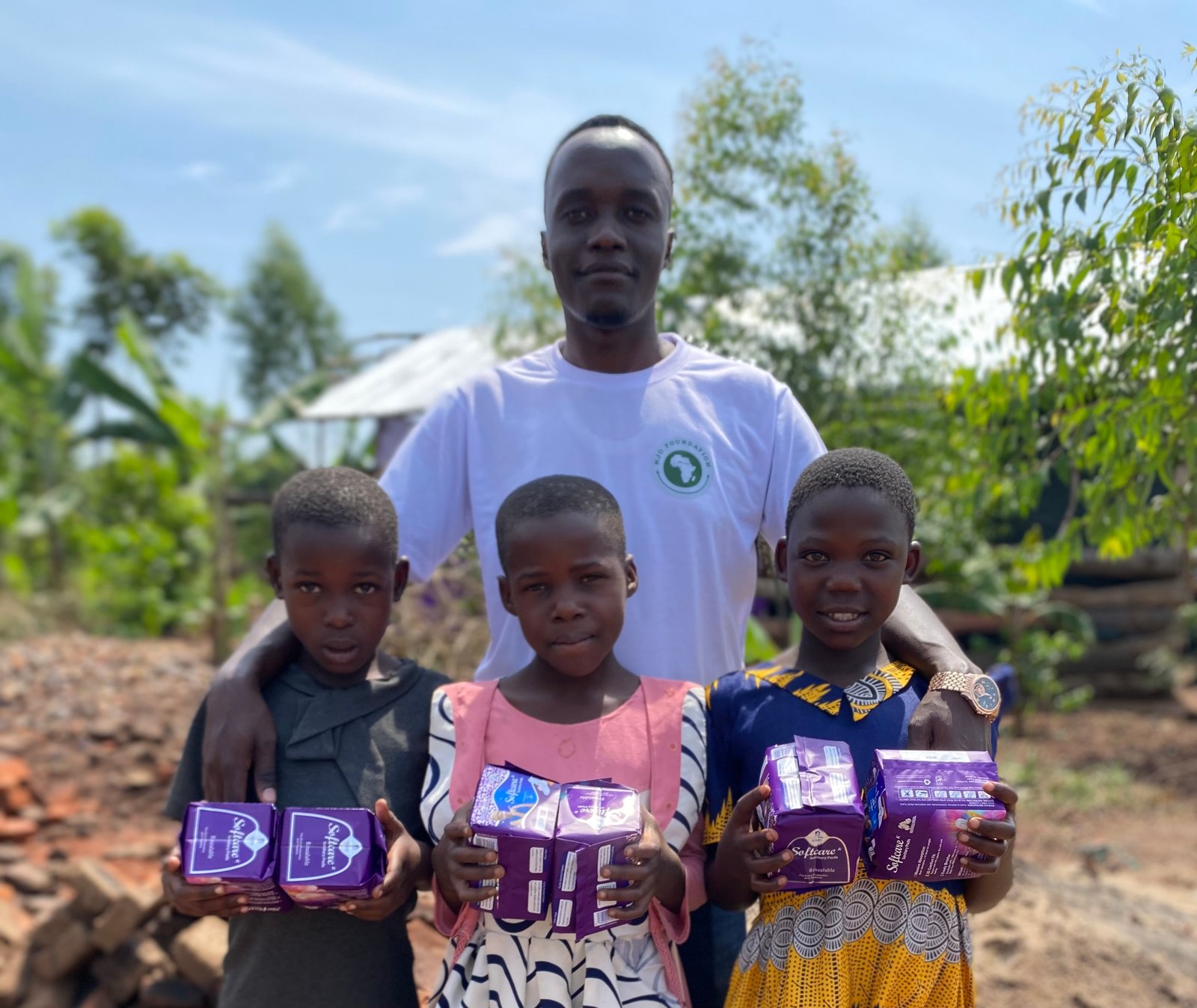
She needs everything a boy needs: water, food, clothing, a uniform. But she also needs safety from any hurt. She needs sanitary pads, still treated as a privilege in too many places when they are, in fact, a basic necessity. Without them, she misses school. She falls behind. She may never catch up.
Beyond these essentials, she needs confidence and dignity. And yes, she deserves to feel beautiful. A pair of nice shoes. A touch of color. A moment of joy. These small things carry enormous weight in a young girl's sense of self-worth and belonging. The question is not whether girls deserve these things. The question is: how many more will we let fall behind before we act?
The Numbers Behind the Need
When UNESCO reports that 244 million children and youth aged 6 to 18 were out of school in 2021, what they're really telling us is this: 244 million morning routines that never happen. 244 million dreams deferred. 244 million futures on hold. Among them, 118.5 million are girls.
In Uganda alone, 11.9 million people cannot read or write. More than 20% of children aged 6 to 11 and 60% of adolescents aged 15 to 17 are not in school. These are not just statistics. They are names we'll never know. Stories we'll never hear. Potential we'll never witness unless we act.
But here's the truth that matters most: whether the number is 11.9 million or just one child, the responsibility is the same. If one child needs help, we must respond. If 244 million need help, we must respond 244 million times.
What We're Doing About It
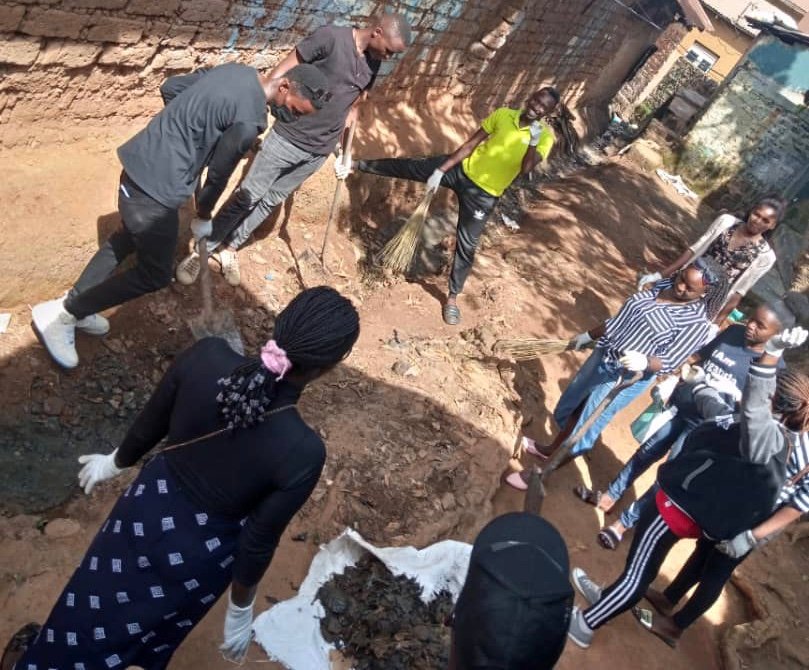
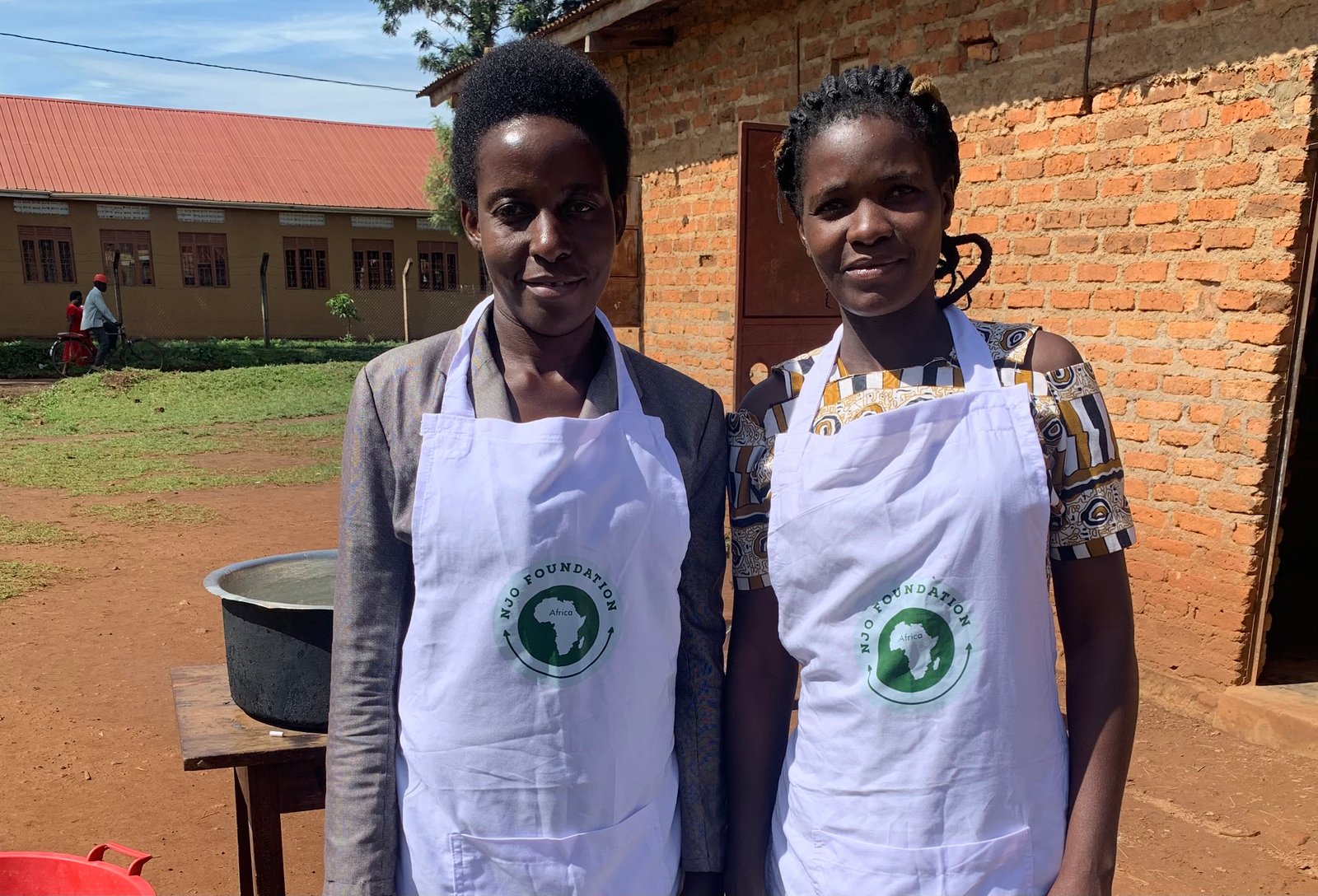
At NJO Foundation Africa, we are responding. Not with grand promises or distant plans, but with concrete action at every level of need.
Basic Needs Support: We work to ensure children have access to clean water, nutritious food, and adequate clothing, the foundation upon which everything else is built.
Educational Access: We provide school uniforms, materials, and supplies so that children can not only attend school but stay there, day after day, year after year.
Menstrual Hygiene Support: We distribute sanitary pads and provide education on menstrual health, ensuring that girls don't miss school simply because their bodies are doing what bodies do.
Child Safety and Community Advocacy: We work alongside families and community leaders to create environments where girls can grow up safe, supported, and heard.
Emotional and Social Empowerment: We remind children that they are not problems to be solved but people with dignity, potential, and worth. We help them not just survive, but thrive.
Your Role in This Story
There's an old saying: It takes a village to raise a child.
For 244 million children, that means we need more than villages. We need a global community that refuses to look away. We need people who understand that clean water isn't charity; it's a human right. That a school uniform isn't a handout; it's justice. That a sanitary pad isn't aid; it's equality. That investing in a child isn't generosity; it's our collective responsibility.
Every child who receives a uniform, a meal, a word of encouragement, that's not charity. That's a promise being kept. That's potential being unlocked. That's the future being built, one dignified step at a time.
If 244 million children need help, then we need 244 million acts of courage.
Yours could be next.
Sources and References
1. UNESCO: Out-of-school numbers are growing in sub-Saharan Africa. https://www.unesco.org/gem-report/en/publication/out-school-numbers-are-growing-sub-saharan-africa
2. UNICEF: Fast Facts: 30 years of uneven progress for adolescent girls
3. UNICEF: Global polycrisis creating uphill battle to end child marriage
4. Sulaiman, A. A., & Jacklyn, C. (2023). School environment and retention in Uganda secondary schools.
5. Janet, A., & Andrew, M. Domestic work and girl child school dropouts: A case study of selected secondary schools in Kyamuhunga town council, Bushenyi district.
6. All Africa: https://allafrica.com/stories/202410040050.html