Girls’ Education in Uganda: Challenges, Inequality, and Pathways to Empowerment
According to the UN Convention on the Rights of the Child, a child is defined as any person under the age of 18. Every child has the right to education and primary education must be free and compulsory, while secondary and higher education should be accessible to all.
Moreover, education is widely recognised as a fundamental human right and a key driver of social and economic progress. It plays a crucial role in reducing poverty, addressing inequality, and promoting sustainable development. Beyond its intrinsic value, education serves as a powerful tool through which economically and socially marginalised children and adults can improve their life chances, gain agency, and participate in society.
Despite these internationally recognised commitments, access to education remains deeply unequal, with girls continuing to face significant barriers that limit the realisation of these rights.
Challenges
In Uganda, girls and women continue to experience a significantly lower social standing compared to men. Deep-rooted gender inequalities often restrict women’s participation in both formal and informal institutions, including the family, marriage, and religious structures. As a result, many Ugandan women have limited autonomy over decision-making, access to stable employment, and opportunities for economic independence.
While education has the potential to offer an exit from patriarchal systems, widespread poverty remains a major obstacle to girls’ schooling. Many girls are compelled to leave school early to contribute to household income or are married at a young age in exchange for dowries. Recent evidence highlights the scale of this challenge, with only 53% of girls aged between six and twelve completing the required seven years of primary education, and just 22.5% of Ugandan women enrolling in secondary education.
Significant gender disparities also persist in the labour market. Women in Uganda are less likely than men to enter paid employment and face higher rates of unemployment (International Labour Organization, 2025). Although women own close to 40% of businesses nationwide, their enterprises generate approximately 30% less profit on average compared to those owned by men. This gap is largely attributed to structural barriers such as limited access to financial capital and concentration in lower-earning economic sectors (Puerto, 2022).
The Girl-Child Empowerment project
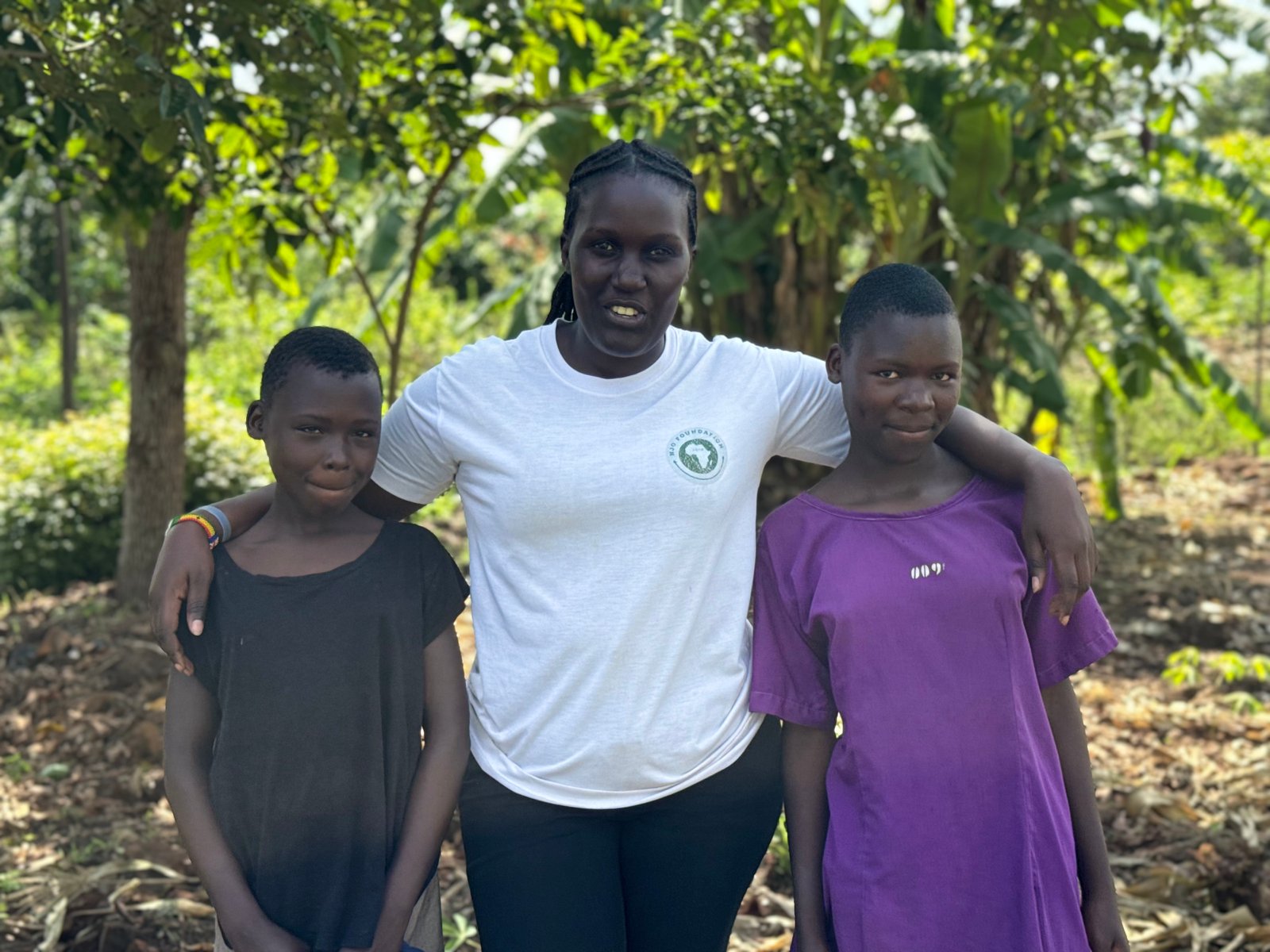
In response to these intersecting educational, economic, and social inequalities, NJO Foundation Africa has developed a targeted Girl-Child Empowerment initiative. It is a comprehensive programme designed to create environments in which girls can access the same opportunities as boys — enabling them to reach their full potential and contribute meaningfully to their families, communities, and wider society. At the heart of the Foundation’s mission is the belief that when a girl is empowered, the entire community benefits.
1. Access to Quality Education
Education remains the cornerstone of girl-child empowerment. NJO Foundation Africa prioritises ensuring that girls have equal access to quality and uninterrupted education, recognising its critical role in breaking cycles of poverty and marginalisation. By supporting school enrolment, retention, and academic success, the initiative empowers girls with knowledge, skills, and opportunities that shape their future independence and leadership potential.
2. Health, Well-Being, and Life Skills
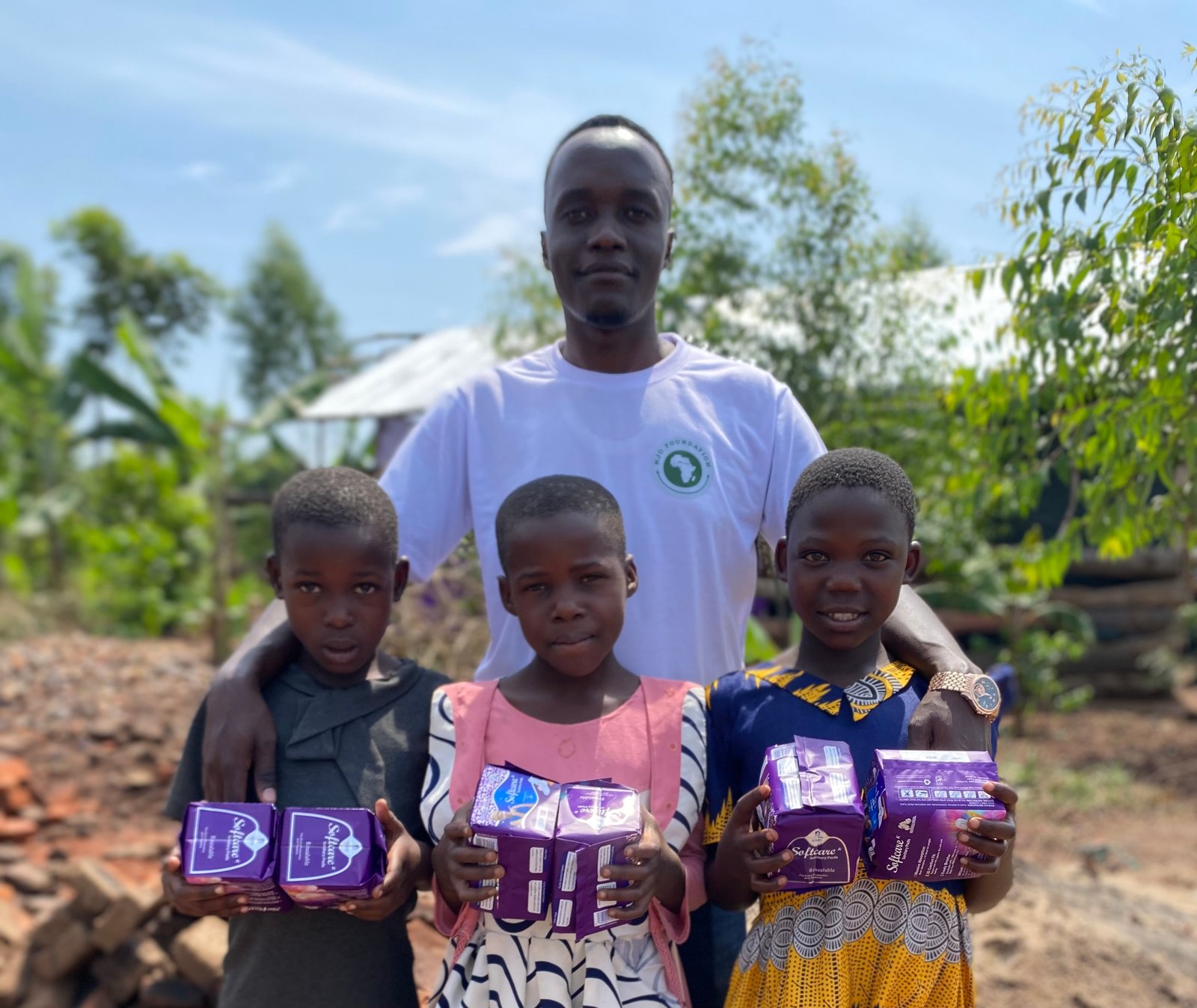
Girls often face gender-specific health challenges that affect their development and participation in education and community life. The Foundation’s work focuses on promoting physical, emotional, and reproductive health, alongside essential life skills education. By addressing issues such as menstrual health, personal hygiene, mental well-being, and self-confidence, the programme ensures that girls are supported to lead healthy and informed lives.
3. Protection, Safety, and Rights Awareness
Many girls continue to experience violence, exploitation, early marriage, and discrimination that undermine their rights and dignity. NJO Foundation Africa actively works to protect girls from harmful practices while promoting awareness of their rights. Through community engagement, advocacy, and safe spaces, the initiative strengthens protection mechanisms and fosters environments where girls feel secure and respected.
4. Economic Empowerment and Skills Development
Economic vulnerability remains a major barrier to girls’ long-term empowerment. The initiative supports girls through skills development, financial literacy, and income-generating opportunities that enhance self-reliance. By equipping girls with practical and entrepreneurial skills, NJO Foundation Africa enables them to contribute meaningfully to their households and communities while reducing dependency and poverty-related risks.
5. Leadership, Voice, and Social Participation
Empowerment is incomplete without agency. NJO Foundation Africa places strong emphasis on nurturing leadership, confidence, and civic participation among girls. The programme encourages girls to express their views, engage in decision-making, and challenge gender norms that restrict their potential.
While the right to education is firmly enshrined in international human rights law, the lived realities of many girls in Uganda reveal a persistent gap between legal commitments and meaningful access. Deep-rooted gender norms, poverty, early marriage, and economic exclusion continue to limit girls’ educational attainment and long-term opportunities, reinforcing cycles of inequality across generations. The Girl-Child Empowerment initiative led by NJO Foundation Africa offers a holistic and rights-based response to these challenges by addressing not only access to education, but also health, protection, economic empowerment, and leadership. By investing in girls as learners, leaders, and agents of change, the programme recognises that empowering girls is not only a moral imperative, but a strategic investment in sustainable development. Ensuring that girls can fully realise their rights is essential to building more inclusive, equitable, and resilient communities in Uganda and beyond.
Sources and References
1. https://www.unesco.org/en/right-education/need-know?hub=70224
2. https://sites.northwestern.edu/globemed/2021/08/09/girls-education-in-uganda/
3. https://www.afrobarometer.org/wp-content/uploads/2025/03/AD964-Ugandan-women-continue-to-face-barriers-in-public-and-private-spheres-Afrobarometer-28march25.pdf
4. https://njofoundationafrica.org/projects/girl-child-empowerment
5. https://www.ohchr.org/en/instruments-mechanisms/instruments/convention-rights-child