In Memory of Suzan: A Call to Protect Vulnerable Children
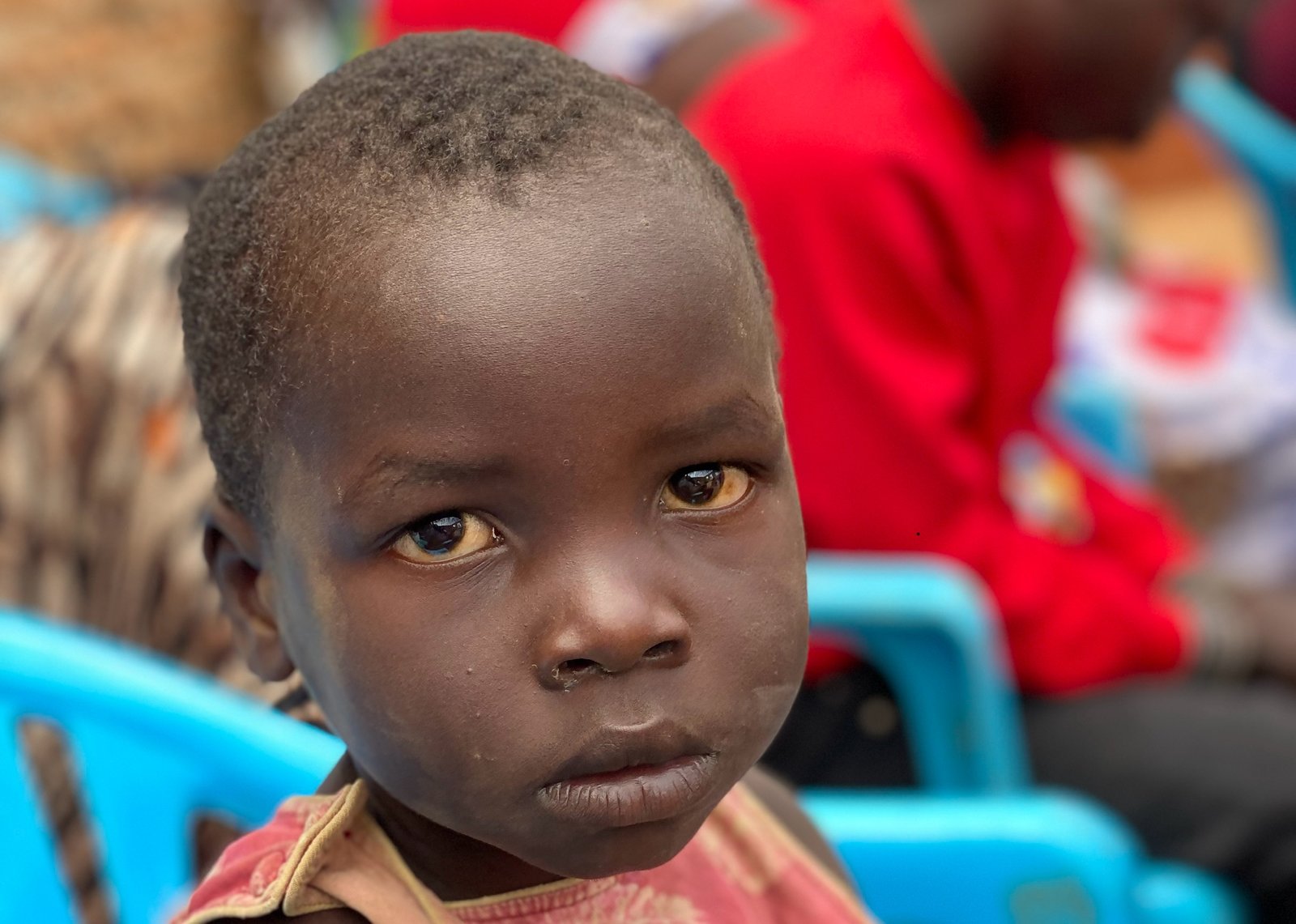
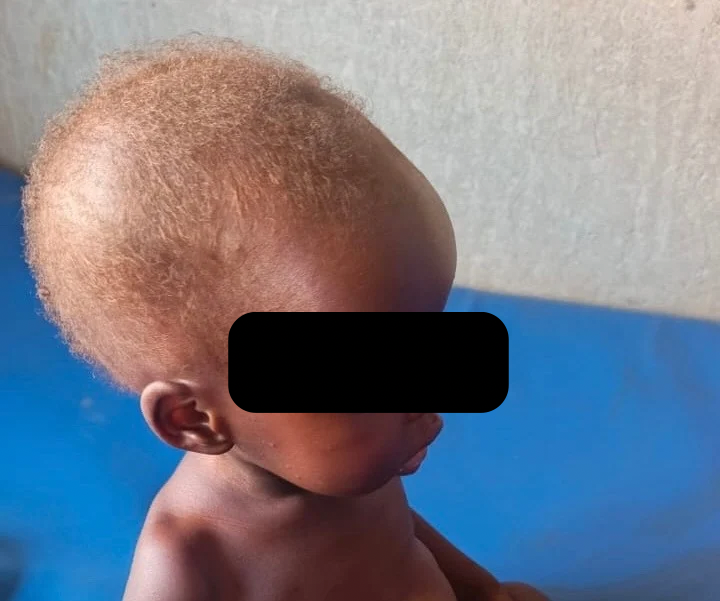
Imagine a child born into poverty, infected with HIV/AIDS, and struggling to survive. Doctors speak of “immunity” and “nutrition,” yet for this child, those words feel like privileges rather than possibilities. Food is not about strengthening the immune system, it is about staying alive. Days pass, hunger persists, and eventually the body can no longer endure. It shuts down.
Was this death preventable?
Yes, absolutely.
This child did not die solely from HIV/AIDS. They died from poverty, from hunger, from the absence of access to healthy food, and from systemic neglect. While countless scientists and doctors dedicate their lives to researching cures and treatments for HIV/AIDS, an equally urgent problem remains unresolved: how does a child affected by HIV survive when basic nutrition is out of reach?
Hunger weakens an already fragile immune system. Without proper nourishment, even treatable conditions become fatal. Every year, millions of children die from causes that should no longer claim lives. An estimated 75,000 to 120,000 children and adolescents die annually from AIDS-related illnesses, most of them in Sub-Saharan Africa. In 2024 alone, nearly 250 children continue to die every single day, not because medicine has failed, but because society has.
These deaths are preventable.
Death may be inevitable, but so are kindness, compassion, and responsibility. We are given one life, and with it, the ability to help another. Giving does not require wealth, sometimes it costs no more than the price of a single doordash’s delivery order. Yet to a child, it can mean the difference between life and death.
Now is the time to act.
Donate. Advocate. Speak up.
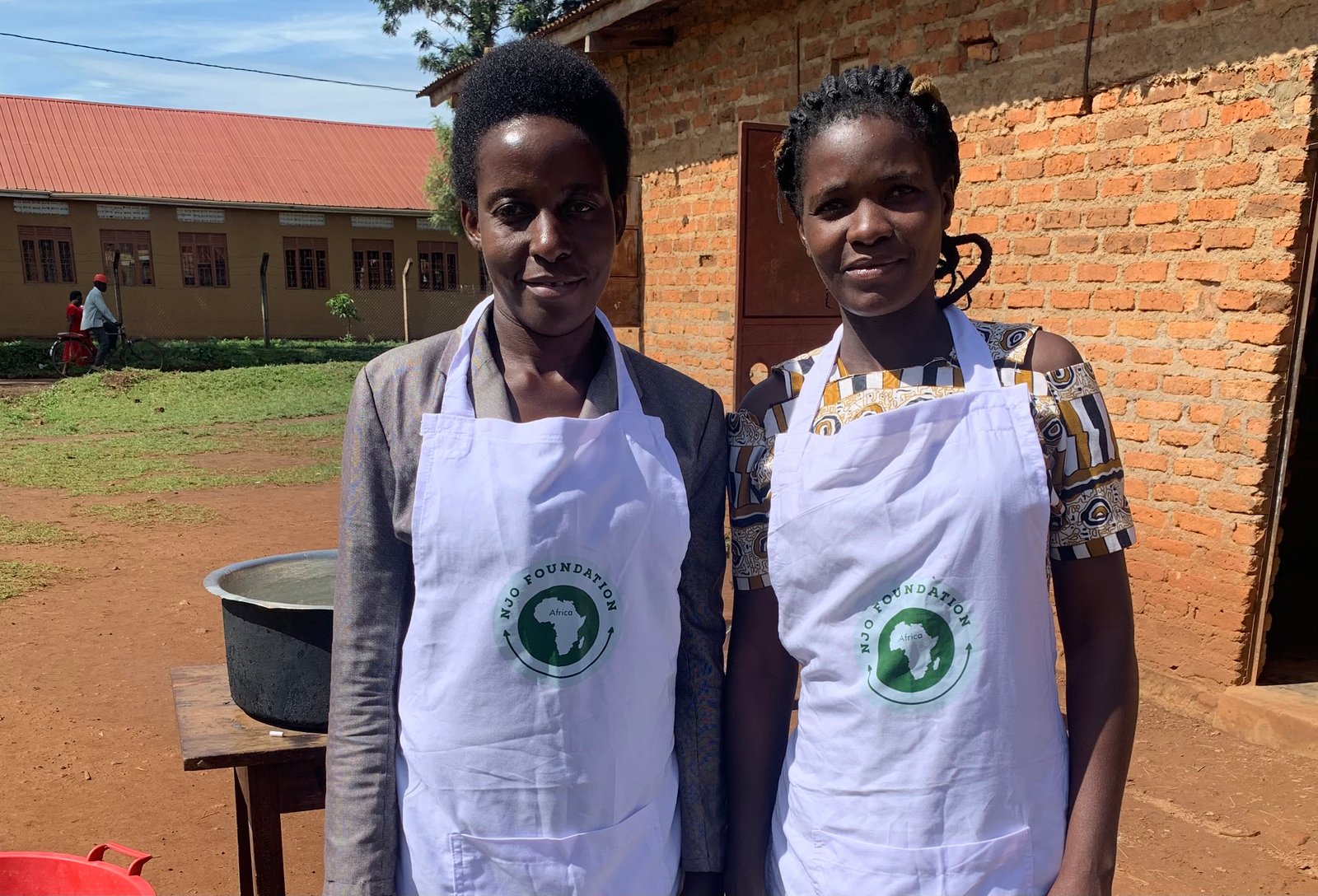
Support organizations working directly with children affected by HIV/AIDS.
This cannot wait.
Lives depend on what we choose to do today.
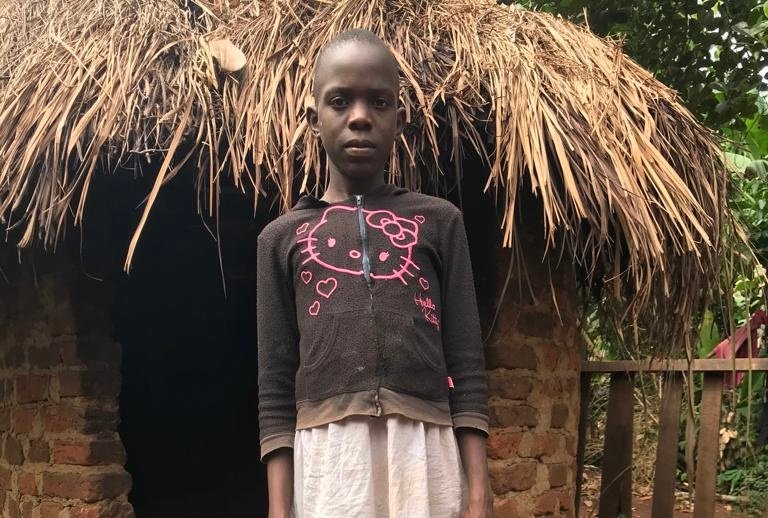
Rest in peace, Suzan. You will be missed.
“The reality is that you will grieve forever. You will not ‘get over’ the loss… you will learn to live with it.” – Elisabeth Kübler-Ross
Sources and References
1. Dube, L. T., Masquillier, C., Wouters, E., & Knight, L. (2026). Household-level factors and ART adherence among people living with HIV in Cape Town, South Africa: a qualitative study. AIDS care, 1-14.
2. Ohene-Kyei, E. T., Salzwedel, J., Dubé, K., Wada, Y. H., Cotton, M., Persaud, D., & Agwu, A. (2026). HIV Cure Research: Ethical and Real-World Practical Considerations for Pediatric and Adolescent Populations. Journal of the Pediatric Infectious Diseases Society, piag003.