Sustainable Agriculture in Uganda: Food Security, Rural Livelihoods, and Community Resilience
Agriculture remains the backbone of Uganda’s economy and the primary source of livelihood for a large portion of the population. According to the Food and Agriculture Organization (FAO), agriculture employs approximately 70% of Uganda’s workforce, with smallholder farmers producing the majority of the country’s food supply. Despite its central role in sustaining livelihoods and supporting national economic development, the agricultural sector continues to face numerous structural challenges, including climate variability, limited access to modern farming technologies, soil degradation, and insufficient market infrastructure.
Globally, sustainable agriculture has been increasingly recognised as a key strategy for addressing food insecurity, environmental degradation, and rural poverty. Sustainable farming practices aim to increase agricultural productivity while preserving ecosystems, improving soil fertility, and promoting long-term resilience. In many rural regions of Africa, strengthening agricultural systems is essential not only for food production but also for fostering economic empowerment, social stability, and community development.
However, many smallholder farmers in Uganda operate under conditions of economic vulnerability and environmental uncertainty. Limited access to training, agricultural inputs, financial services, and reliable markets often constrains productivity and income generation. As a result, many rural households remain trapped in cycles of poverty and food insecurity.
Challenges
Smallholder agriculture in Uganda faces several structural and environmental constraints. Climate change has intensified weather variability, leading to irregular rainfall patterns, droughts, and occasional flooding. These fluctuations make farming increasingly unpredictable and directly affect crop yields and food availability.
Resource limitations further compound these difficulties. Many farmers rely on traditional farming techniques and lack access to improved seeds, modern tools, irrigation systems, or soil management knowledge. Over time, these constraints can contribute to declining productivity and soil degradation, making agricultural livelihoods increasingly fragile.
Market barriers also remain significant. Farmers often struggle to sell their produce at fair and stable prices due to limited infrastructure, poor transportation networks, and weak connections with buyers. Without reliable market opportunities, agricultural production alone is often insufficient to guarantee sustainable income.
These challenges highlight the importance of integrated initiatives that combine farmer training, access to resources, and environmentally sustainable practices.
The Sustainable Agriculture Project
In response to these interconnected challenges, NJO Foundation Africa has developed an agricultural initiative aimed at strengthening rural livelihoods and promoting environmentally responsible farming systems. The project seeks to improve agricultural productivity while supporting long-term resilience within farming communities.
Rather than focusing solely on crop production, the initiative approaches agriculture as a driver of social and economic development. By combining practical training, access to resources, and environmental awareness, the programme encourages farming systems that benefit both communities and ecosystems.
1. Training and Capacity Building
Knowledge is a key factor in improving agricultural productivity. NJO Foundation Africa organises training sessions and workshops that introduce farmers to practical techniques for soil management, crop diversification, and climate-adapted farming. These activities strengthen farmers’ skills and enable them to manage their land more effectively.
2. Sustainable Farming Practices
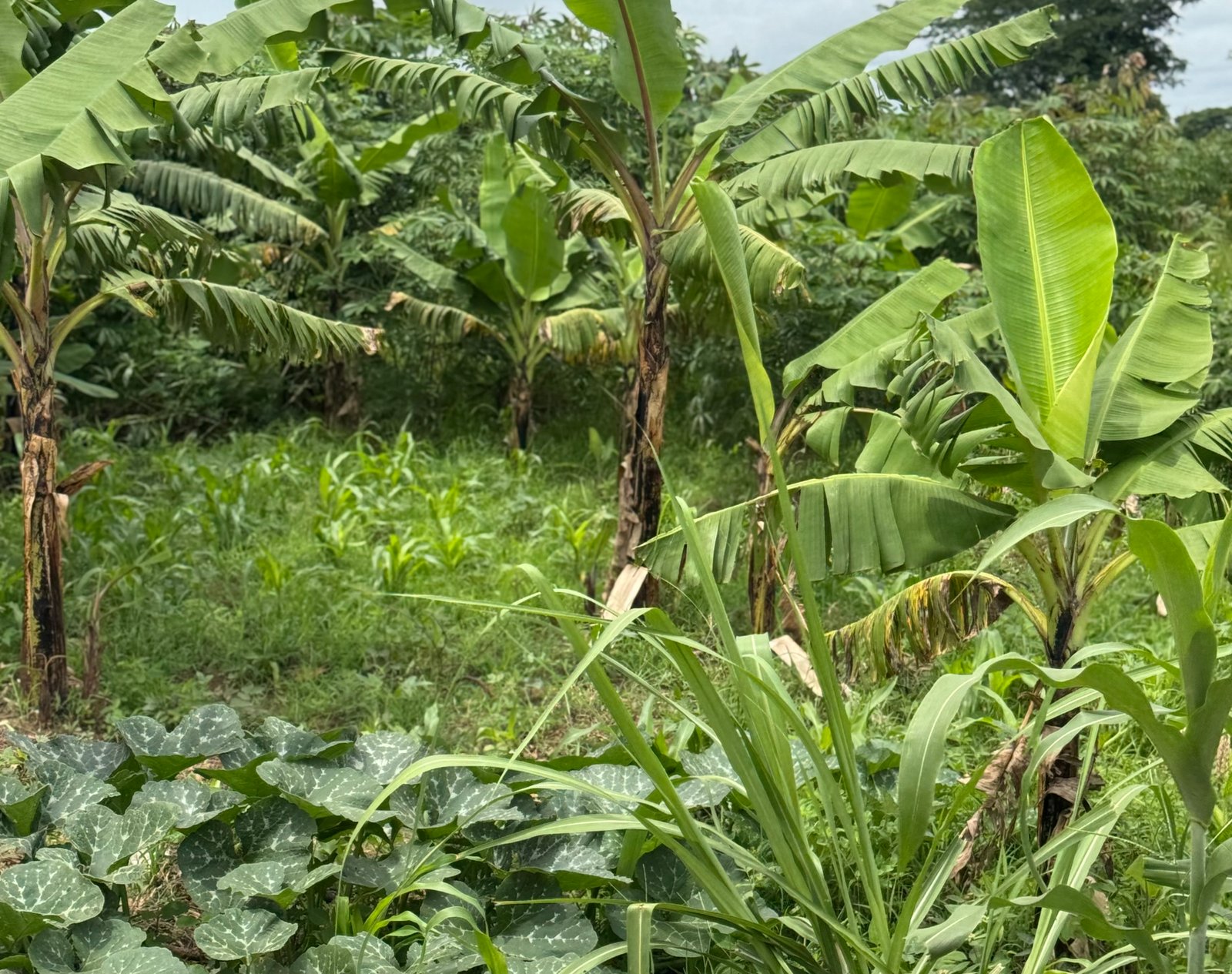
The Foundation encourages agricultural methods that protect natural resources while maintaining productive farmland. Practices such as organic farming, agroforestry, crop diversification, and water conservation help maintain soil fertility, protect biodiversity, and reduce environmental degradation. These approaches also enhance farmers’ ability to adapt to changing climate conditions and reduce dependence on harmful chemical inputs.
3. Access to Agricultural Inputs
Access to essential agricultural inputs is crucial for improving productivity among smallholder farmers. NJO Foundation Africa supports farmers through the provision of seeds, farming tools, and technical guidance that enable them to cultivate crops more effectively. By strengthening farmers’ access to these resources, the initiative contributes to improved food production and household food security.
4. Market Opportunities
Agricultural development is closely connected to economic empowerment. The initiative works to strengthen farmers’ access to local markets by facilitating connections between producers, traders, and buyers. Market linkages enable households to reinvest in their farms and improve their overall economic stability.
5. Environmental Stewardship and Community Resilience
Sustainable agriculture is essential for protecting natural resources and ensuring long-term food security. The Foundation promotes practices that safeguard soil, water, and biodiversity while encouraging communities to adopt environmentally responsible farming systems. By integrating environmental stewardship with economic empowerment, the initiative supports resilient agricultural communities capable of adapting to future challenges.
While agriculture remains a vital pillar of Uganda’s economy, smallholder farmers continue to face significant barriers that threaten food security and sustainable development. Climate change, limited access to resources, and weak market systems often constrain agricultural productivity and rural livelihoods. The Sustainable Agriculture initiative developed by NJO Foundation Africa offers a holistic response to these challenges by combining farmer education, access to resources, environmental stewardship, and economic empowerment. By investing in sustainable agricultural practices and strengthening the capacity of rural communities, the programme contributes to building more resilient food systems and improving livelihoods for present and future generations.
Sources and References
1. https://www.fao.org/uganda/en/
2. https://tradingeconomics.com/uganda/agriculture-value-added-percent-of-gdp-wb-data.html
3. https://align-tool.com/source-map/uganda
4. https://njofoundationafrica.org/projects/agriculture