The liberty of saying no
I was recently researching Uganda's favorite foods, and one dish kept appearing: Rolex - a delicious chapati rolled with eggs and vegetables. It made me wonder: what if a child from an underprivileged family in Uganda said they wanted something else instead? And then a deeper question emerged: are kids even allowed to say no in places where food itself is precious?
Most kids in the West say no as a norm. No to broccoli at dinner. No to the blue shirt in favor of the red one. No to piano lessons because they'd rather play soccer. These refusals are so ordinary, so woven into the fabric of childhood, that they barely register as choices at all.
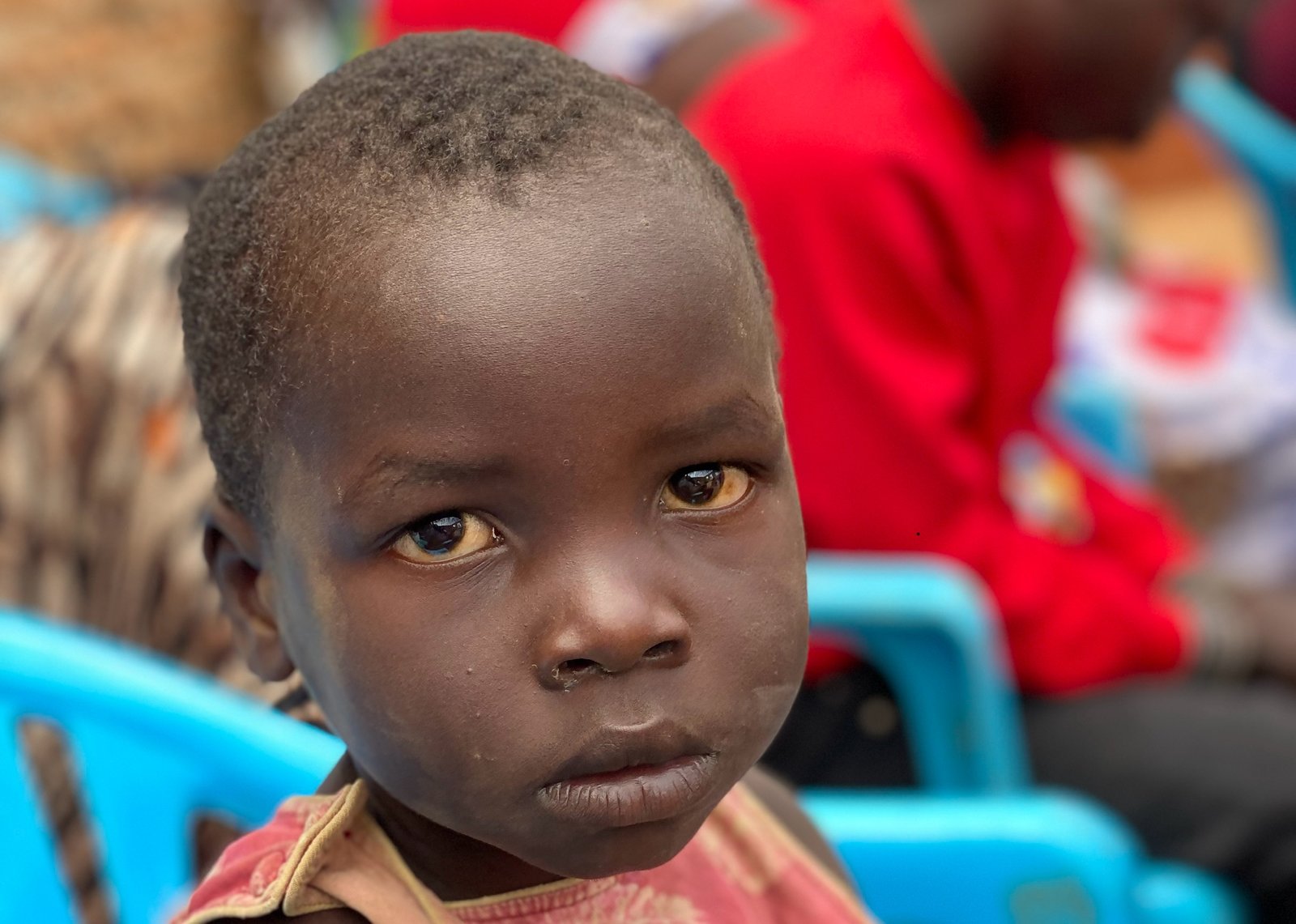
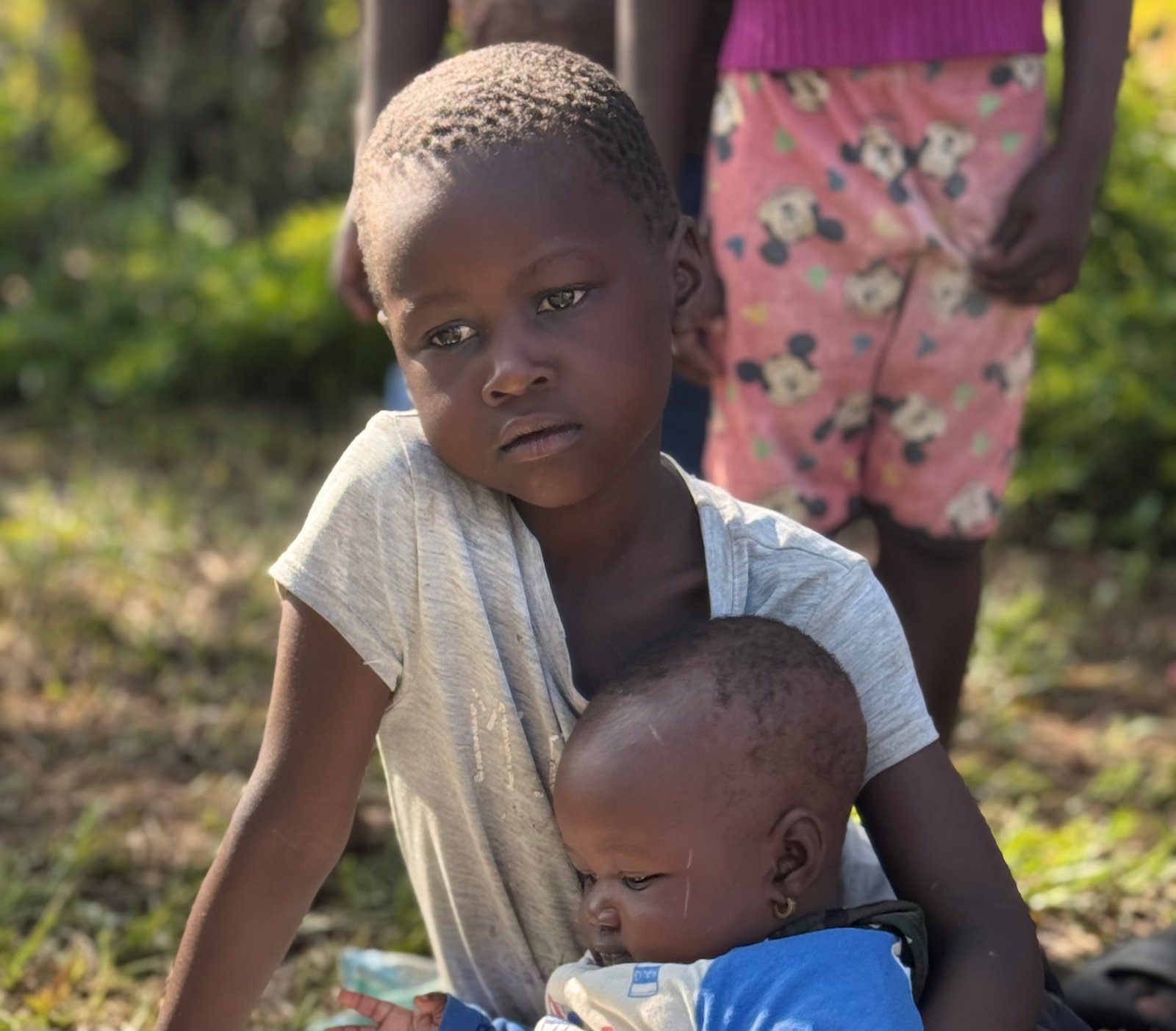
A child from an underprivileged family in Uganda doesn't say no to food. There is not enough food to refuse. When a single meal arrives after hours of hunger, the question isn't whether they like it, but whether there's enough to survive another day. The luxury of preference dissolves when scarcity becomes the norm.
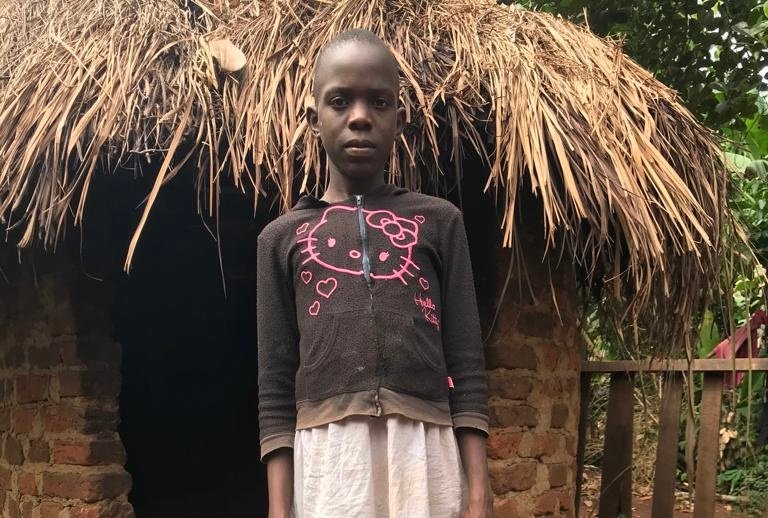
This disparity cuts deeper than food. It extends to education, where children walk miles to reach schools that may not have enough teachers or supplies, or don't attend at all because their families cannot afford fees. It reaches into healthcare, where diseases that could be easily prevented or treated become life-threatening because access to basic medical care is a luxury. It touches their futures, where choices about career paths, personal beliefs, and self-expression remain inaccessible dreams rather than daily negotiations.
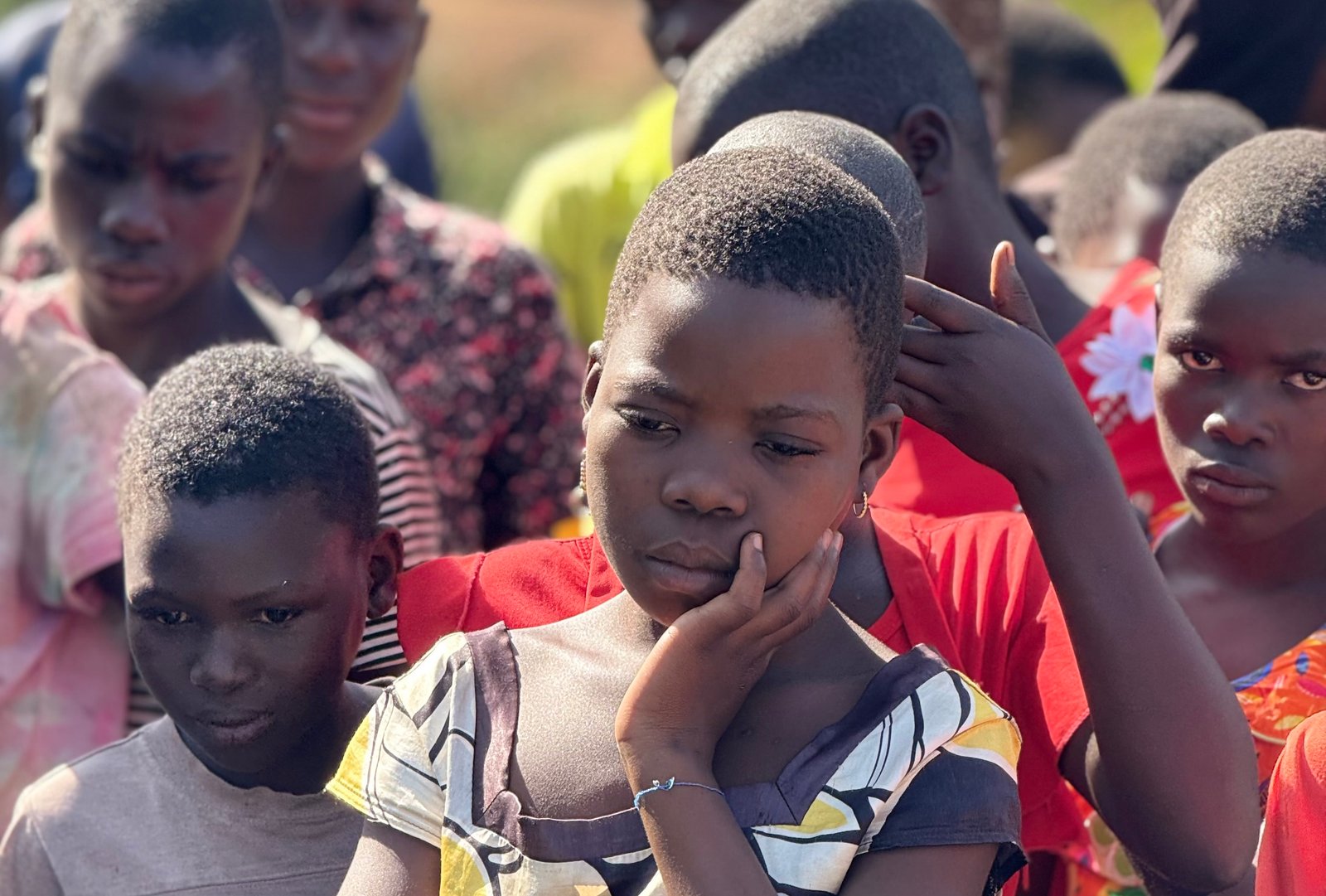
The children we serve don't have the privilege of refusal because their circumstances have already refused them: refused them security, nutrition, opportunity, and the fundamental freedom to shape their own lives.
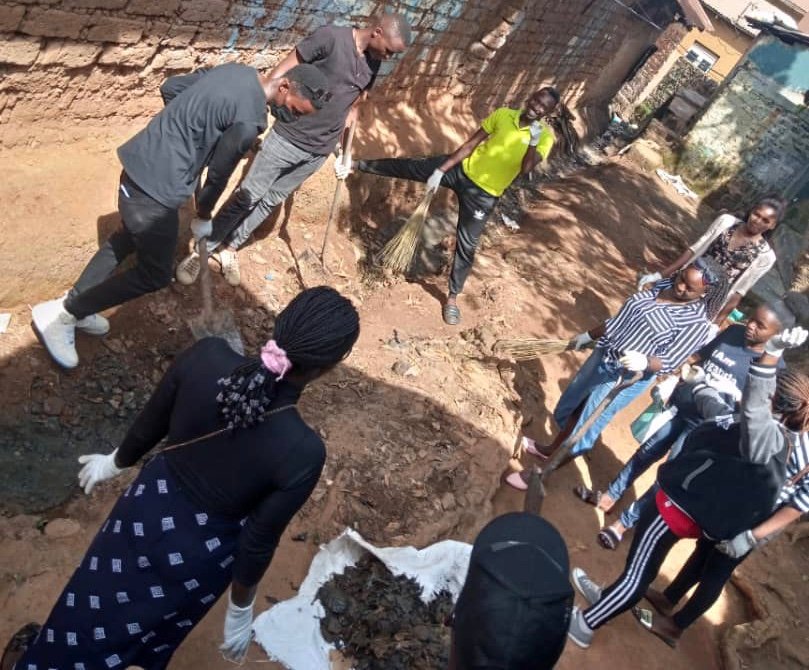
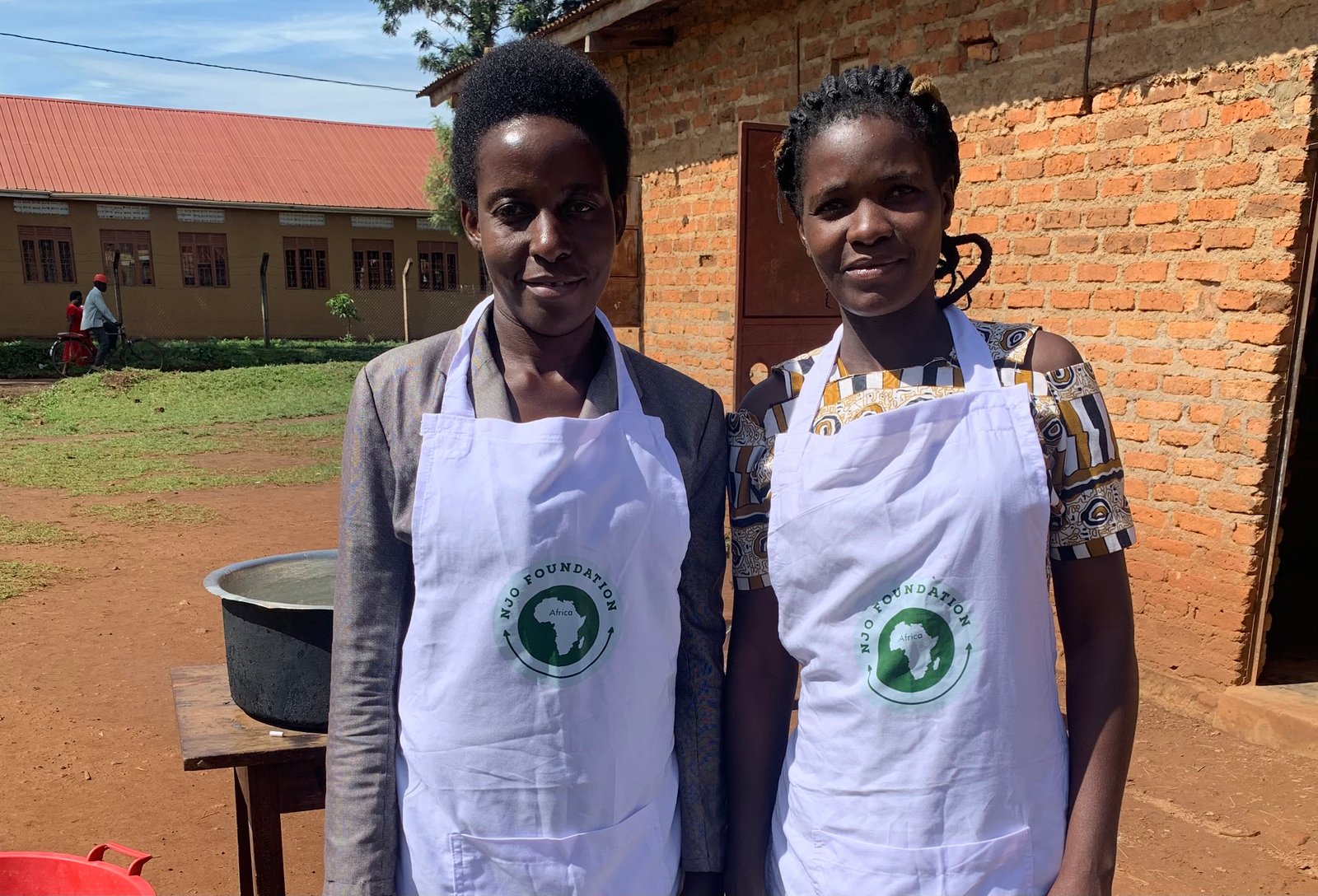
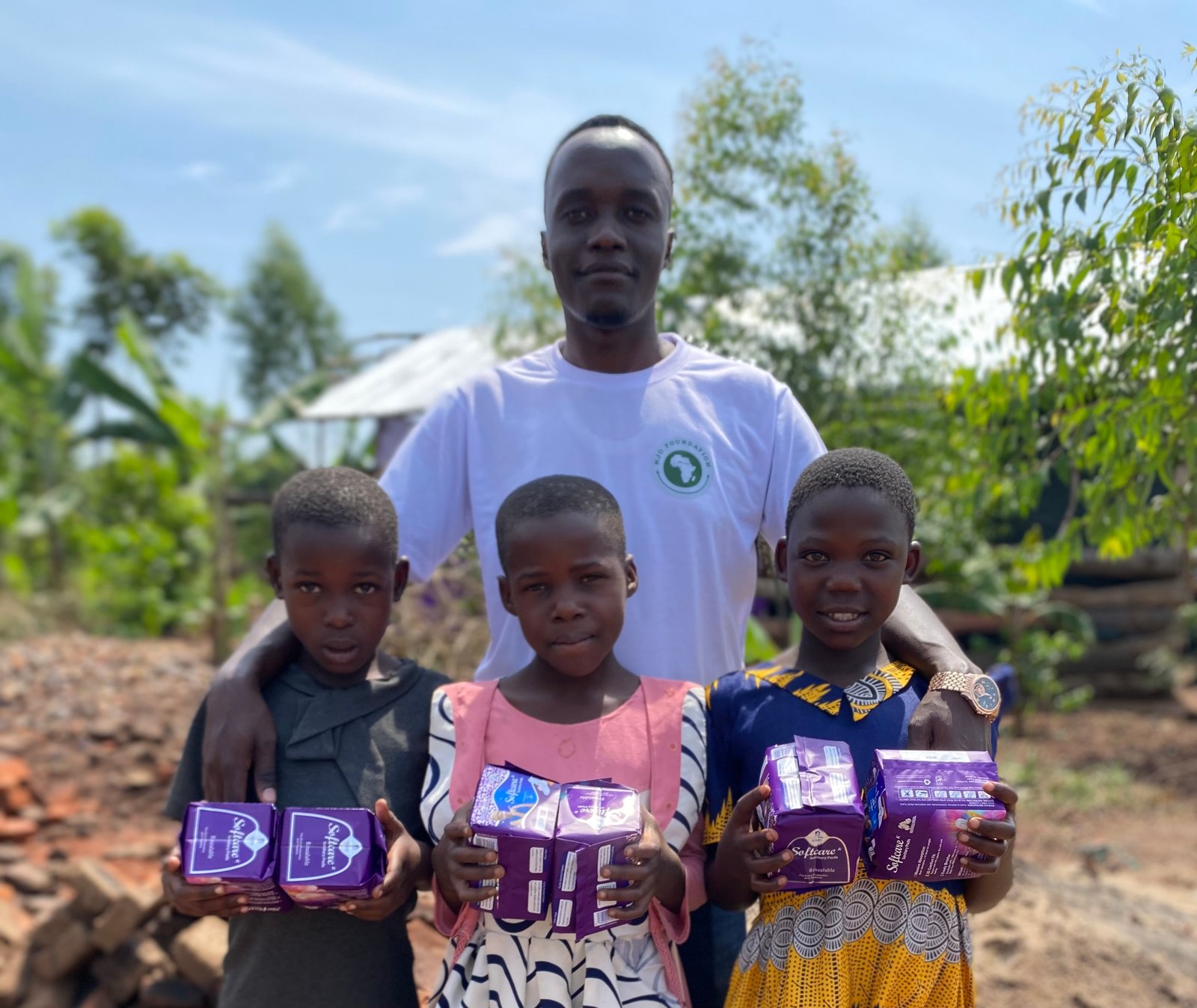
At NJO Foundation Africa, we're not just providing education, clean water, healthcare, and child sponsorship. We're working to restore something more fundamental- the ability to choose. When we cover school fees and provide pocket money and necessary materials, we're giving a child the choice to dream of becoming a teacher, a doctor, or an engineer. When we provide healthcare access, we're giving families the choice to seek treatment rather than simply endure suffering. When we support women through empowerment programs, we're restoring their agency to make decisions about their own lives and futures.
Every child deserves the privilege of "no," not as defiance, but as agency. The power to decline what doesn't serve them. The freedom to choose their path. The right to voice what they need and what they don't.
We're driven by the belief that everyone deserves dignity, opportunity, and the chance to build a better life. Until every child can say yes to their dreams and no to circumstances that diminish their potential, our work continues.
Join us in giving children the privilege of choice. Whether through child sponsorship, donations, or support for our education and healthcare programs, you can help transform a child's "I have no choice" into "I choose my future."
Until that day arrives, our work continues.
A Final Thought
Don't wait for Christmas or any special occasion to donate. There is no special occasion when it comes to doing a basic, normal thing like helping another human being.
"We cannot all succeed when half of us are held back." — Malala Yousafzai, Spoken at the United Nations Youth Assembly on July 12, 2013, her 16th birthday.
Sources and References
1. Maranz, D. E. (2025). African friends and money matters. SIL International.
2. Beckmann, J. Assessing the Potential Benefits of Expanding the Ancient African Educational Proverb “It Takes a Village to Raise a Child” to “Can Village South Africa Improve South Africa's Underperforming Education System”—International Journal of Educational Reform, 10567879251325239.